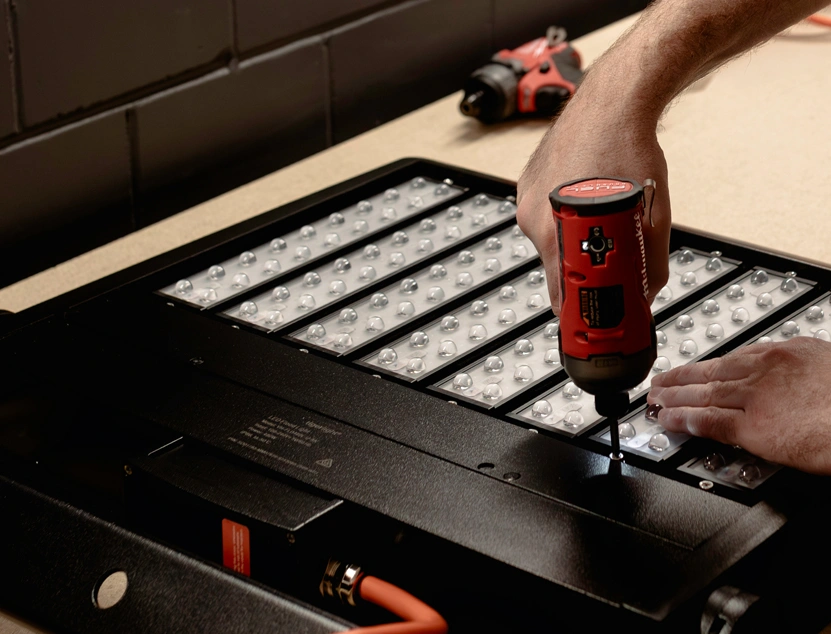
Access step-by-step installation guides and practical video tutorials designed to support fast, safe and accurate installation across the Tigerlight range.
Tigerlight products are backed by comprehensive warranty coverage, reflecting our commitment to quality, durability and long-term performance.
Stay up to date with the latest Tigerlight projects, product launches and industry insights.
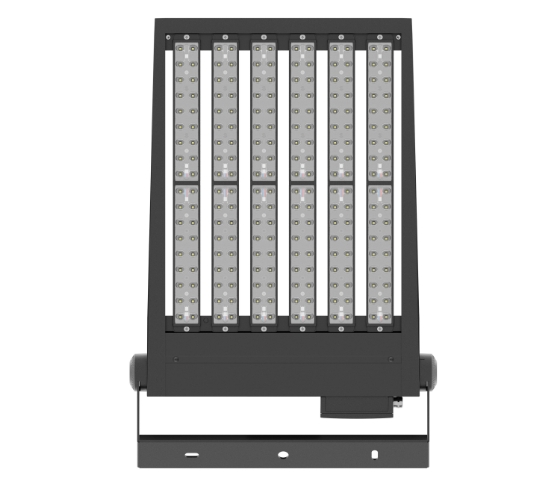
MegaFlood Gen 2 advances Tigerlight’s proven industrial LED floodlighting platform with a new generation of engineering.
Remote Drivers Explained: When Should You Use Them in Industrial LED Lighting? When designing an industrial lighting system, it’s easy to focus on lumen output, optics, mounting height, and energy efficiency. However, one design decision can have a significant impact on maintenance, safety, and long-term operating costs: whether to use an integrated driver or a…
Solar Lighting Battery Autonomy: Why the Number Doesn’t Tell the Whole Story When comparing solar lighting systems, one specification often stands out, battery autonomy. It’s common to see products advertised with “3 days autonomy” or “5 days autonomy”, but these figures rarely tell the full story. Battery autonomy is not determined by battery size alone.…
Why Modular Floodlighting Changes Large-Scale Projects Most large-scale floodlighting systems are delivered to specification, achieving the required lux levels, meeting uniformity targets, and passing compliance checks. On paper, the design performs exactly as intended. But large-scale industrial environments are not static. Over time, operational demands shift. Sites expand, layouts evolve, and performance expectations increase. What…
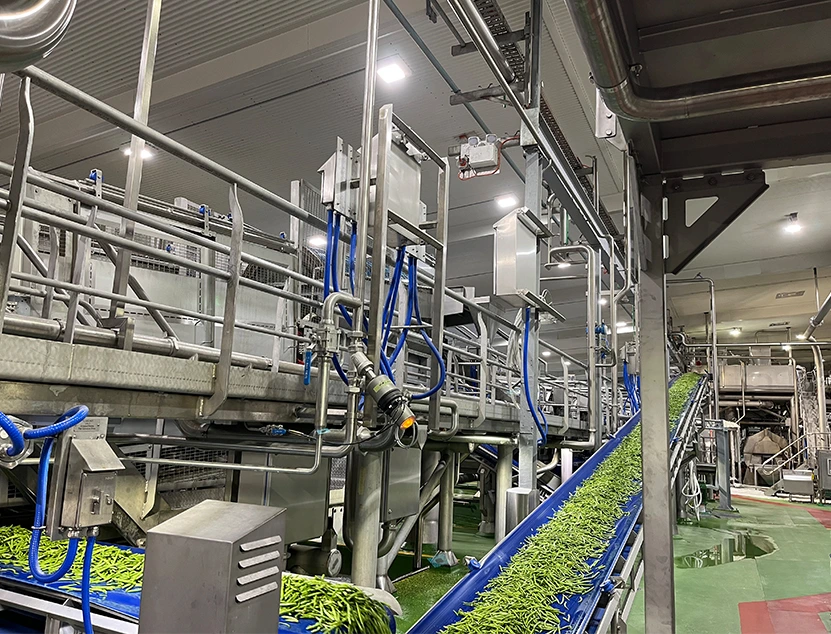
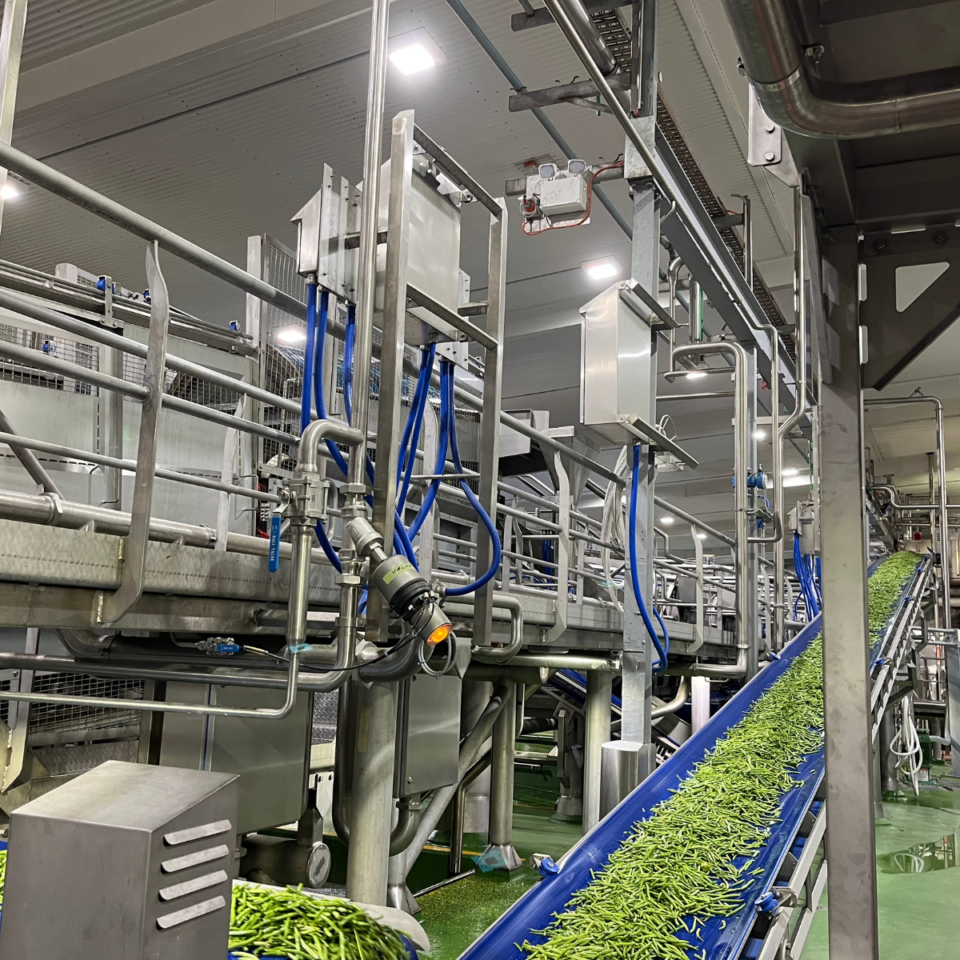
Why IP Ratings Matter More Than You Think in Food Grade and Harsh Environment Lighting In harsh industrial and food-grade environments, lighting systems operate under constant environmental stress. Moisture ingress, aggressive cleaning chemicals, thermal cycling, corrosion, and high-pressure washdowns all contribute to progressive system degradation over time. And in many facilities, by the time lighting…