

Published on: June 30, 2026
Solar Lighting Battery Autonomy: Why the Number Doesn’t Tell the Whole Story
When comparing solar lighting systems, one specification often stands out, battery autonomy.
It’s common to see products advertised with “3 days autonomy” or “5 days autonomy”, but these figures rarely tell the full story.
Battery autonomy is not determined by battery size alone. It is the result of how efficiently the entire solar lighting system captures, stores, and manages energy.
For engineers, councils, contractors and asset owners, understanding what influences battery autonomy is essential to specifying a solar lighting solution that will continue performing reliably throughout the year, not just under ideal weather conditions.
What Is Battery Autonomy?
Battery autonomy refers to the length of time a solar lighting system can continue operating without receiving sufficient solar energy to fully recharge its battery.
This may occur during:
Consecutive cloudy or rainy days
Winter months with shorter daylight hours
Heavy shading from surrounding structures or vegetation
Dust or debris reducing solar panel efficiency
While autonomy is often expressed as a number of days, real world performance depends on far more than battery capacity alone.
The Five Factors That Determine Battery Autonomy
1. Solar Energy Collection
Everything begins with the solar panel.
The amount of energy collected each day depends on panel size, efficiency, installation angle, geographic location and available sunlight.
An undersized solar panel may struggle to fully recharge the battery, particularly during winter or extended periods of poor weather.
For this reason, commercial solar lighting systems should always be designed as a complete package, where the solar panel, battery, and luminaire are engineered to work together.
2. Battery Technology
Not all batteries perform the same.
Modern commercial solar lighting systems typically use LiFePO₄, Lithium Iron Phosphate, batteries because they offer significant advantages over older battery technologies, including:
- Long service life
- Excellent thermal stability
- High charging efficiency
- Consistent performance across a wide temperature range
- Minimal maintenance requirements
The Tigerlight Corso Solar range uses LiFePO₄ battery technology to deliver dependable performance in demanding Australian environments while supporting long term operational reliability.
3. Energy Consumption
The more efficiently a luminaire uses stored energy, the longer the battery can continue powering the system.
Modern LED technology provides higher light output while consuming significantly less power than traditional lighting technologies.
This means the system can deliver the required illumination while reducing overall energy demand, helping maximise available battery autonomy.
Efficiency is delivering the right level of illumination while making the most of every watt of stored energy.
4. Intelligent Charging and Energy Management
One of the biggest contributors to battery autonomy is how efficiently the system manages available energy.
The Tigerlight Corso Solar range incorporates Maximum Power Point Tracking, MPPT, technology, which continuously optimises the charging process to capture the maximum available energy from the solar panel throughout the day.
This becomes particularly valuable during:
- Cloudy weather
- Early morning
- Late afternoon
- Winter conditions
- Variable sunlight
Rather than wasting available solar energy, MPPT continually adjusts charging conditions to improve charging efficiency and maximise battery performance.
Combined with intelligent control technology, the system manages stored energy efficiently to maintain reliable lighting performance across changing environmental conditions.
5. Lighting Profiles and Site Conditions
No two projects operate under exactly the same conditions.
Battery autonomy is influenced by a range of project specific factors, including:
- Geographic location
- Seasonal daylight hours
- Pole height
- Luminaire power
- Operating hours
- Motion sensor settings
- Shading
- Weather conditions
Solar lighting systems can also be programmed with different operating profiles to optimise available energy.
For example, lighting may operate at full output during periods of high activity, before dimming during quieter hours, or responding to motion detection when required.
These intelligent operating profiles can significantly extend battery autonomy while maintaining safe and effective illumination.
Why Battery Capacity Alone Doesn’t Tell the Whole Story
Two solar lighting systems may have exactly the same battery capacity but deliver very different real-world performance.
Why?
Because battery autonomy is influenced by the efficiency of the complete system, not a single component.
A well-engineered solution balances:
- Solar energy collection
- Battery storage
- LED efficiency
- Intelligent charging
- Energy management
- Site specific operating conditions
This integrated approach delivers more reliable long-term performance than simply increasing battery size.
Engineered as a Complete System
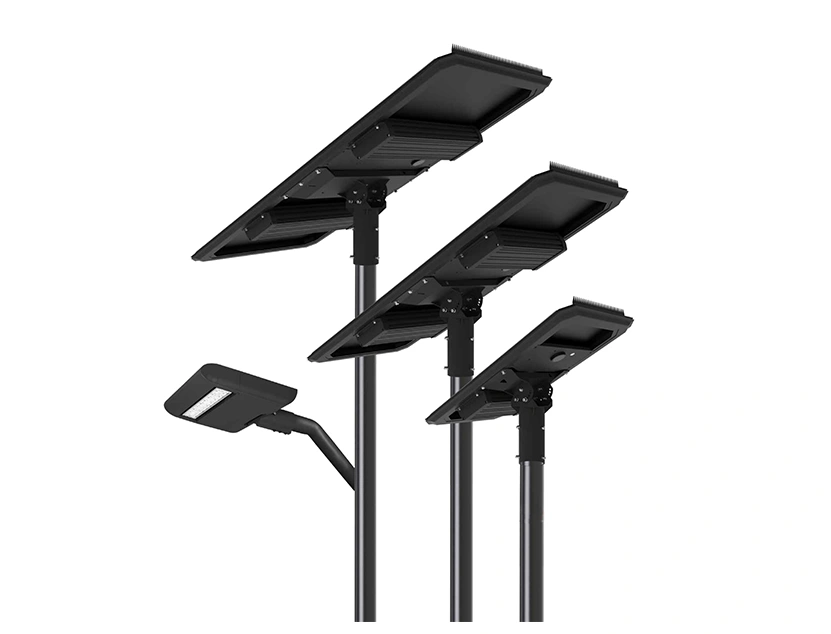
At Tigerlight, our Corso Solar range has been developed as a fully integrated lighting solution, rather than a collection of individual components.
Each system combines:
-
- High efficiency solar panels
- LiFePO₄ battery technology
- Intelligent MPPT charging
- Advanced energy management
- Programmable operating profiles
- Commercial grade LED luminaires
By engineering every component to work together, the system maximises energy efficiency, extends operational reliability and reduces ongoing maintenance requirements.
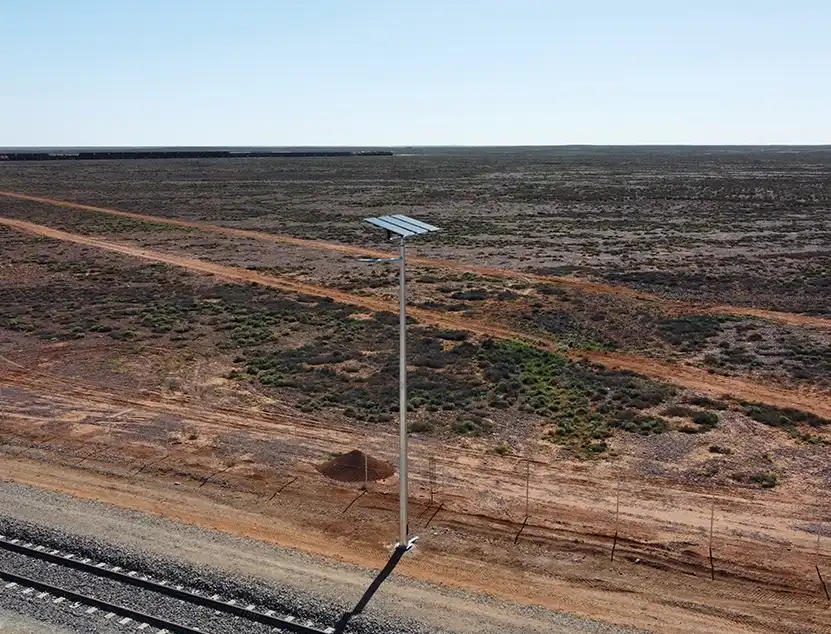
The result is dependable off grid lighting suitable for transport infrastructure, industrial facilities, pathways, public spaces and other commercial applications where reliable performance is critical.
The Specification Takeaway:
When evaluating solar lighting systems, battery autonomy should never be assessed as a standalone number.
Instead, consider the complete engineering behind the system:
✓ Battery chemistry
✓ Solar panel capacity
✓ MPPT charging technology
✓ LED efficiency
✓ Intelligent operating profiles
✓ Site conditions and application requirements
Together, these factors determine how a solar lighting system will perform over years of operation, not just during the first few sunny days after installation.
A properly engineered solar lighting solution isn’t defined by the size of its battery. It’s defined by how effectively every component works together to deliver reliable, long-term performance.