

Published on: June 30, 2026
Remote Drivers Explained: When Should You Use Them in Industrial LED Lighting?
When designing an industrial lighting system, it’s easy to focus on lumen output, optics, mounting height, and energy efficiency. However, one design decision can have a significant impact on maintenance, safety, and long-term operating costs: whether to use an integrated driver or a remote driver.
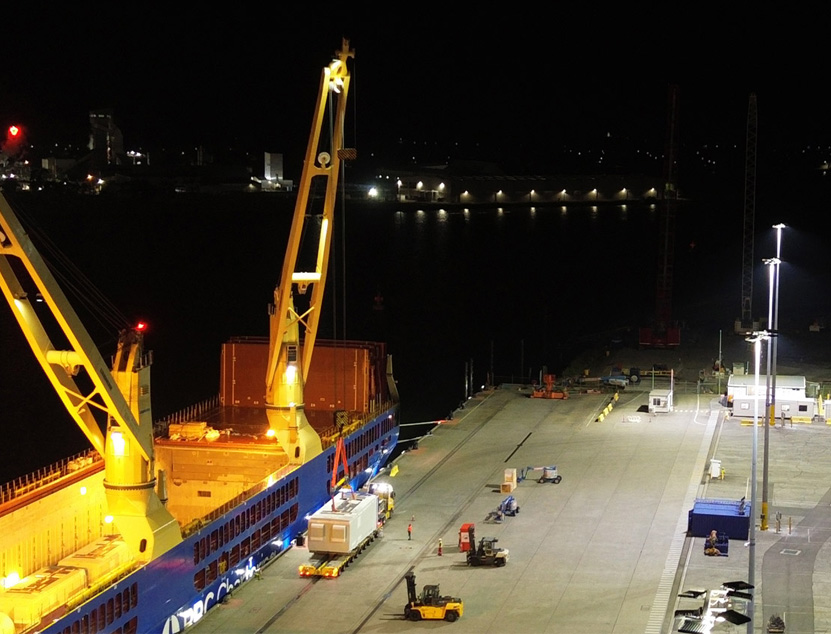
Remote drivers are commonly specified for high mast lighting, sports lighting, mining, airports, ports and other large scale infrastructure projects where accessibility is a key consideration.
Understanding when a remote driver is the right choice can help improve maintenance efficiency, reduce downtime, and extend the overall value of your lighting investment.
What Is a Remote Driver?
Every LED luminaire requires a driver to regulate power supplied to the LEDs, ensuring stable performance, efficiency, and long service life.
With an integrated driver, the driver is housed inside the luminaire.
With a remote driver configuration, the driver is installed separately from the luminaire, typically within an accessible enclosure near ground level or inside a dedicated electrical cabinet.
The luminaire remains mounted at height while the electronic component most likely to require servicing can be accessed safely and efficiently.
Although both configurations deliver the same lighting performance, the maintenance strategy is very different.
Why Use a Remote Driver?
Remote drivers are not simply another product option. They are an engineering solution designed to improve long term reliability and simplify maintenance for challenging installations.
Safer Maintenance
One of the biggest advantages of a remote driver is improved accessibility.
When luminaires are installed on 20, 30 or even 40 metre structures, replacing an integrated driver often requires elevated work platforms, tower lowering systems or specialised access equipment.
By locating the driver at ground level, maintenance teams can inspect or replace the driver without accessing the luminaire itself.
This reduces working at height, improves site safety and allows maintenance to be completed more efficiently.
For critical infrastructure where downtime can affect operations, this can deliver significant long term value.
Lower Maintenance Costs
Maintenance is one of the largest lifecycle costs associated with industrial lighting.
Every service visit involves labour, equipment, access planning and operational disruption.
Remote drivers help reduce these costs by making routine servicing faster and easier.
For facilities operating hundreds of luminaires across large sites, the savings achieved over the life of the installation can be substantial.
Improved Reliability
Heat is one of the biggest factors affecting the lifespan of electronic components.
Separating the driver from the luminaire allows it to operate in a more controlled environment, reducing thermal stress and supporting long-term reliability.
While LED technology continues to improve, reducing heat exposure remains an important consideration for demanding industrial environments.
Reduced Weight
Removing the driver from the luminaire also reduces the weight of the fitting itself.
This can simplify installation while reducing the load placed on mounting brackets and supporting structures, particularly for large floodlights installed on high mast systems.
When Should You Use Remote Drivers?
Remote drivers are not necessary for every lighting project.
For lower mounting heights where maintenance access is straightforward, integrated drivers are often the most practical solution.
However, remote drivers become increasingly valuable as mounting heights increase and maintenance becomes more complex.
Typical applications include:
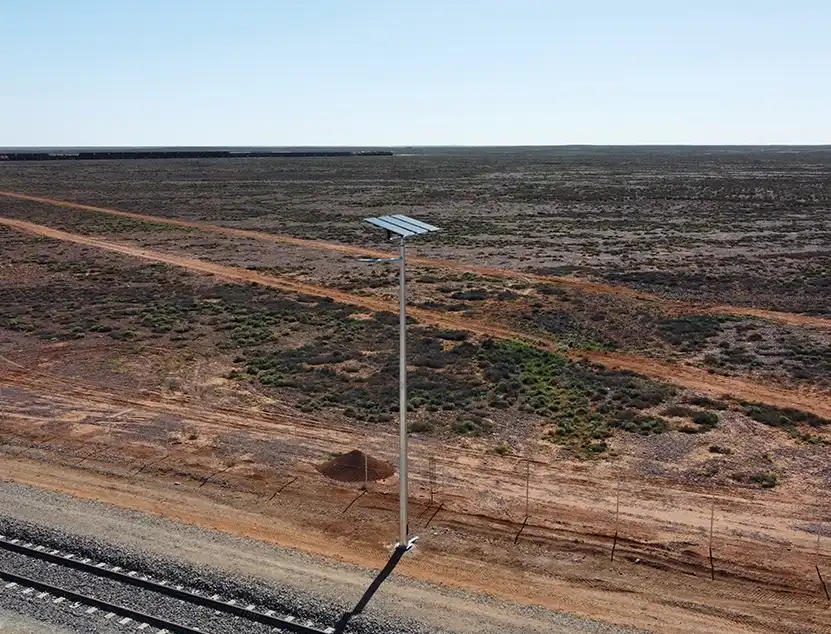
High Mast Lighting
High mast lighting is one of the most common applications for remote drivers.
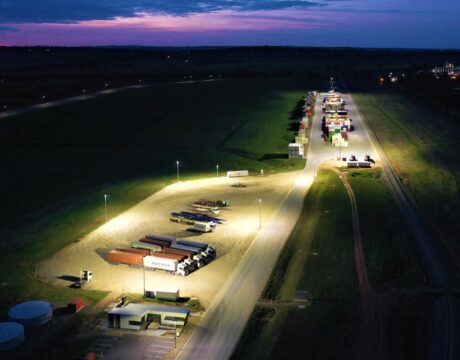
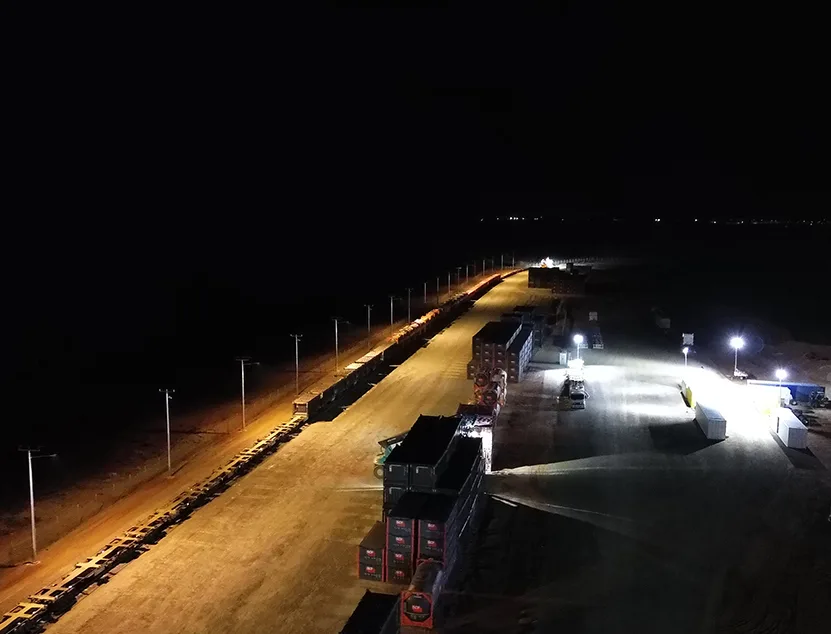
Ports, freight terminals, intermodal facilities and large industrial sites often use towers exceeding 25 metres in height.
In these environments, reducing maintenance at height improves both safety and operational efficiency.
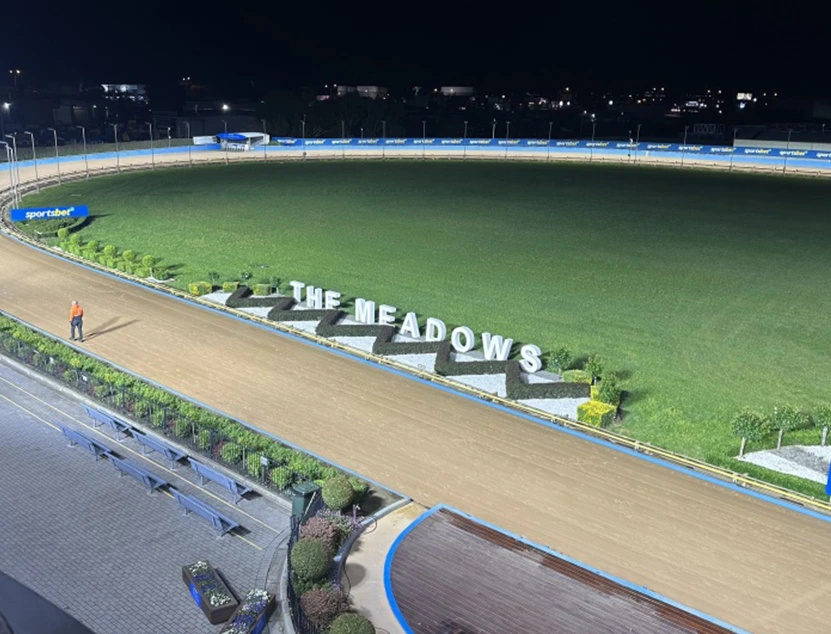
Sports Lighting
Professional sporting facilities require reliable lighting with minimal disruption during maintenance.
Remote drivers allow servicing to be completed more efficiently between competitions while helping reduce downtime.
Tigerlight’s Striker Sports Lighting range is available with remote driver configurations for demanding sporting applications where accessibility is a priority.
Airports
Airport lighting systems operate within strict maintenance windows.
Remote drivers simplify servicing while reducing the time technicians spend working at height, helping support ongoing airport operations.
Mining Operations
Mining sites operate in harsh environments where reliability is essential.
Remote drivers provide maintenance teams with easier access to electrical components while minimising disruption to production.
Combined with robust luminaire construction, they support dependable performance in demanding Australian conditions.
Ports and Industrial Infrastructure
Ports, transport facilities, and heavy industrial operations often run continuously.
Reducing maintenance complexity helps minimise downtime while supporting safe and reliable operations over many years.
Are There Any Design Considerations?
Like any engineering decision, remote drivers require careful planning.
Factors such as cable length, voltage drop, enclosure location, and environmental protection should all be considered during the lighting design process.
A properly designed remote driver system delivers the same lighting performance as an integrated solution while providing improved maintenance accessibility.
Working with an experienced lighting manufacturer ensures these considerations are addressed during the design stage.
Why Tigerlight Offers Remote Driver Solutions?
Every project has different operational requirements.
For many installations, integrated drivers provide an excellent solution.
However, where maintenance access, lifecycle costs, and operational reliability are priorities, remote drivers often deliver greater long-term value.
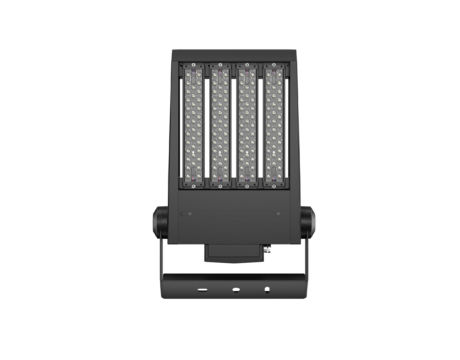
Tigerlight offers remote driver configurations across selected high output floodlighting and sports lighting solutions to support demanding applications throughout Australia.
Engineered for harsh industrial environments, these systems combine precision optics, high performance LED technology and robust IP66 and IK10 construction with maintenance friendly design.
The result is a lighting solution designed not only to perform on day one, but to continue performing reliably for years to come.
Choosing the Right Solution
Lighting performance is about more than achieving the required lux levels.
The best lighting systems also consider how they will be maintained over the next 10, 15 or even 20 years.
By selecting the right driver configuration during the design stage, organisations can improve safety, reduce maintenance costs, and maximise the long-term performance of their lighting investment.
Whether you’re designing a high mast installation, upgrading a sports facility or planning lighting for a major industrial site, understanding when to use remote drivers helps create a solution that performs throughout its entire lifecycle.
If you’re unsure which driver configuration is right for your project, the Tigerlight team can help specify the most suitable solution based on your application, mounting height, and long-term operational requirements.