




Published on: August 10, 2026
Understanding the engineering behind heat dissipation
When evaluating industrial LED floodlights, specification discussions typically focus on lumen output, efficacy, optical distribution, ingress protection (IP), and impact resistance (IK).
However, one of the most significant factors influencing long-term performance and reliability of a luminaire is often overlooked: thermal management.
Unlike traditional light sources, LEDs are highly sensitive to operating temperatures. While they generate significantly less heat than metal halide or high-pressure sodium luminaires, the heat that is produced is concentrated within a very small semiconductor junction. If this heat is not efficiently removed, junction temperatures rise, affecting both optical performance and component reliability.
Understanding LED junction temperature
At the heart of every LED is a semiconductor junction where electrical energy is converted into visible light.
Not all of the electrical energy supplied to the LED becomes useful for light. A significant proportion is converted into thermal energy.
This heat is generated directly at the LED junction (Tj) and must be continuously transferred away from the semiconductor through a carefully engineered thermal pathway.
The efficiency of this thermal pathway largely determines how effectively the luminaire maintains stable operating temperatures throughout its service life.
As junction temperature increases, several undesirable effects begin to occur simultaneously.
These include:
- Reduction in luminous efficacy
- Accelerated lumen depreciation
- Colour shift over time
- Increased electrical stress on drivers and electronic components
- Reduced overall system reliability
Maintaining a low and stable junction temperature is therefore fundamental to achieving long operational life and consistent photometric performance.
The thermal pathway:
Effective thermal management relies on minimising thermal resistance between the LED junction and the surrounding environment.
Heat follows a continuous conduction path through several components:
LED Junction → LED Package → Metal Core PCB (MCPCB) → Aluminium Housing → Heat Sink → Ambient Air
Each interface introduces thermal resistance.
The objective of good luminaire design is to reduce this resistance at every stage, allowing thermal energy to be transferred efficiently into the surrounding air through natural convection.
Why heat sink design matters?
The heat sink is the primary passive cooling system within an industrial floodlight.
Its purpose is to maximise heat transfer while maintaining structural integrity and long-term reliability.
Effective heat sink performance depends on several engineering factors including:
- Surface area available for heat transfer
- Fin geometry and spacing
- Aluminium alloy conductivity
- Airflow around the luminaire
- Mounting orientation
- Ambient operating temperature
Increasing surface area through engineered fin designs allows greater convective heat transfer without relying on moving components such as cooling fans, making passive cooling the preferred solution for industrial lighting applications.
Ambient temperature and continuous operation:
Industrial floodlights are rarely installed in controlled environments.
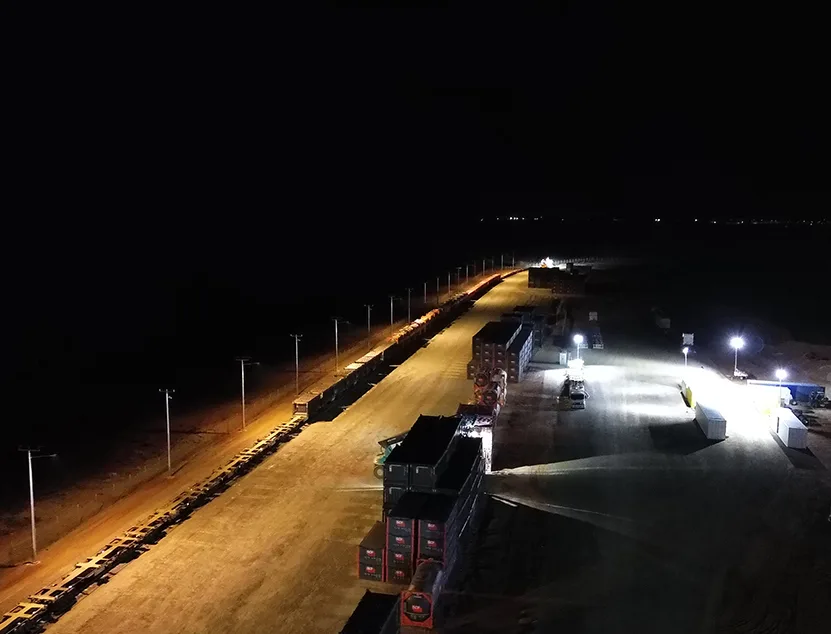
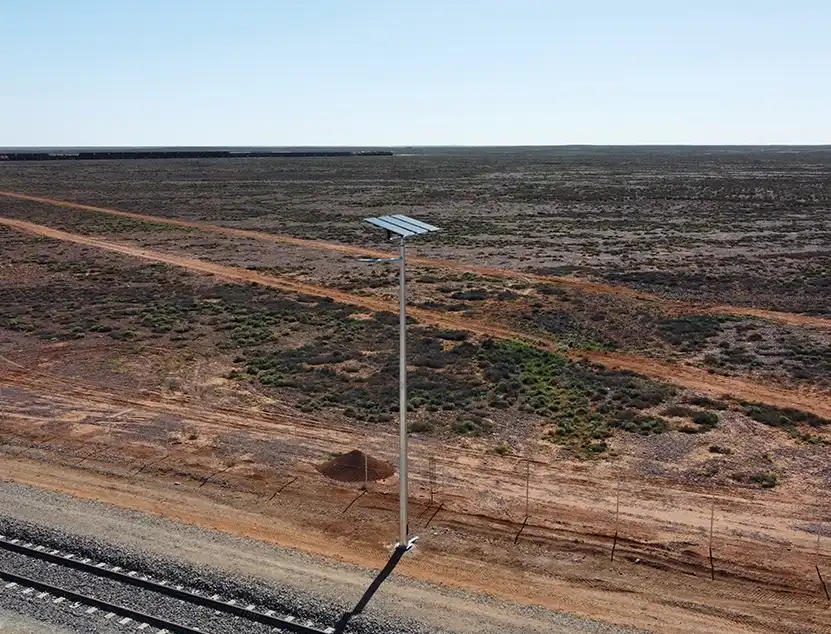
Mining operations, ports, transport infrastructure and industrial facilities often experience elevated ambient temperatures, airborne contaminants and extended operating cycles.
As ambient temperature increases, the temperature differential between the heat sink and surrounding air decreases, reducing the efficiency of heat transfer.
This places greater importance on robust thermal design, particularly where luminaires operate continuously for extended periods.
A well-engineered thermal management system maintains acceptable operating temperatures even under elevated ambient conditions, supporting long-term lumen maintenance and electronic reliability.
Thermal management and driver reliability:
While much attention is placed on LED performance, thermal management is equally important for the electronic driver.
Driver components such as electrolytic capacitors are particularly sensitive to temperature.
Excessive operating temperatures accelerate component ageing, potentially reducing driver life and increasing maintenance requirements.
By maintaining lower internal operating temperatures, effective thermal management contributes to both LED longevity and overall luminaire reliability.
Engineering for long-term performance
Heat cannot be eliminated.
It can only be managed.
The objective of thermal engineering is to transfer heat away from critical components as efficiently as possible, maintaining stable operating temperatures throughout the life of the luminaire.
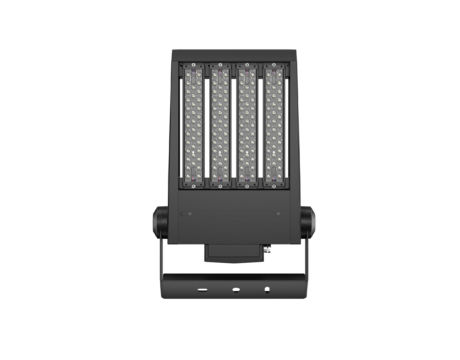
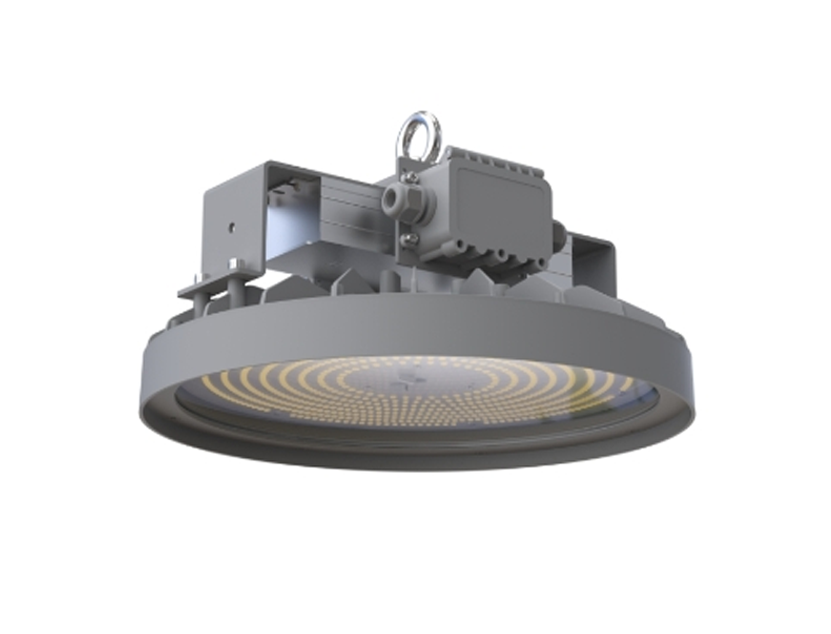
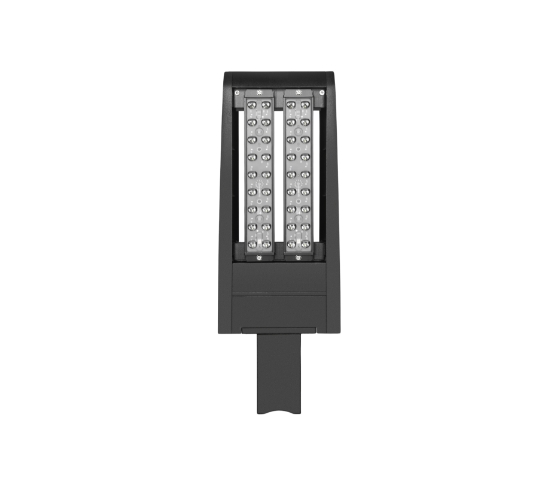
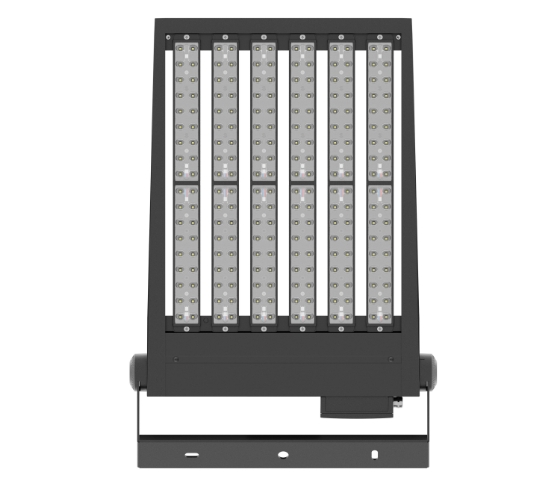
Tigerlight floodlights are engineered with large aluminium heat sinks designed to maximise passive heat dissipation and minimise thermal resistance between the LED junction and ambient air.
The result is consistent light output, improved lumen maintenance, enhanced driver reliability and long-term performance in demanding industrial environments.
Because in industrial lighting, reliability is not defined by maximum light output on day one.
It is defined by how consistently that performance is maintained over years of operation.