

Published on: June 1, 2026
Why IP Ratings Matter More Than You Think in Food Grade and Harsh Environment Lighting
In harsh industrial and food-grade environments, lighting systems operate under constant environmental stress. Moisture ingress, aggressive cleaning chemicals, thermal cycling, corrosion, and high-pressure washdowns all contribute to progressive system degradation over time. And in many facilities, by the time lighting failures become visible, operational performance has already been impacted.
That is why IP ratings are far more than a technical specification buried within a datasheet. In industrial environments, they directly influence reliability, maintenance frequency, and long-term operational continuity.
IP, short for Ingress Protection, is an internationally recognised rating system used to measure how effectively electrical equipment is protected against dust, moisture and liquid intrusion under real-world operating conditions. In industrial lighting, this becomes especially important because luminaires are continuously exposed to environmental pressures that can quickly expose weaknesses in poorly engineered fittings.
The first number within the rating refers to protection against solid particles such as dust and airborne contaminants, while the second refers to moisture and liquid protection. For example, IP66 indicates protection against powerful water jets, while IP69K is specifically engineered for high-pressure, high-temperature washdown environments commonly found in food processing and hygiene-critical facilities.
And the distinction matters more than many facilities realise.
According to industry findings across food-processing and industrial maintenance sectors, moisture ingress and corrosion remain among the leading causes of premature luminaire failure in harsh environments. Once contaminants penetrate seals or internal components, lighting performance can deteriorate rapidly, often leading to increased maintenance requirements, production interruptions, and shortened system lifespan.
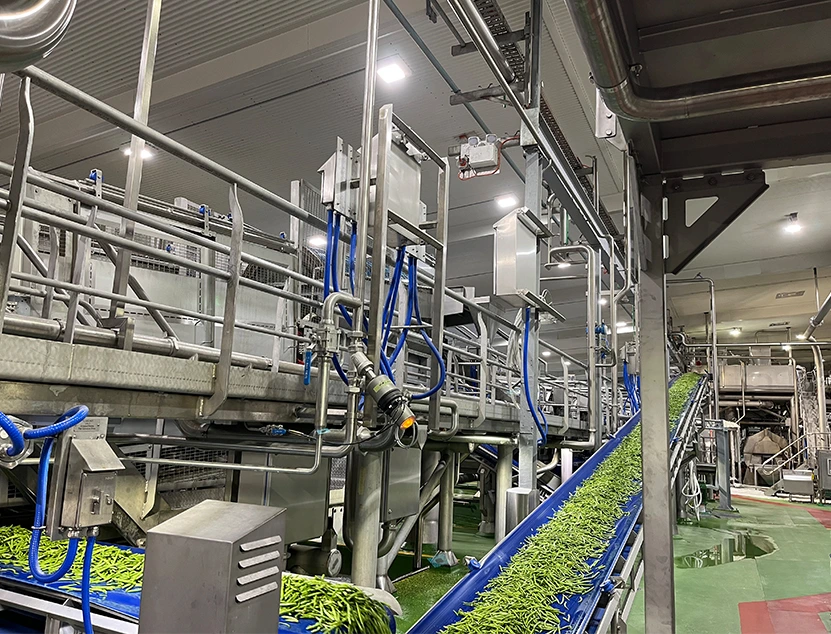
In food-grade facilities, operational pressure is even greater. Continuous washdowns, steam exposure, aggressive cleaning chemicals and fluctuating temperatures place enormous stress on seals, lenses and housing integrity over time. One often overlooked issue is thermal shock, where rapid temperature changes during cleaning cycles accelerate material fatigue and premature failures in poorly engineered fittings.
This is where properly engineered industrial lighting becomes critical.
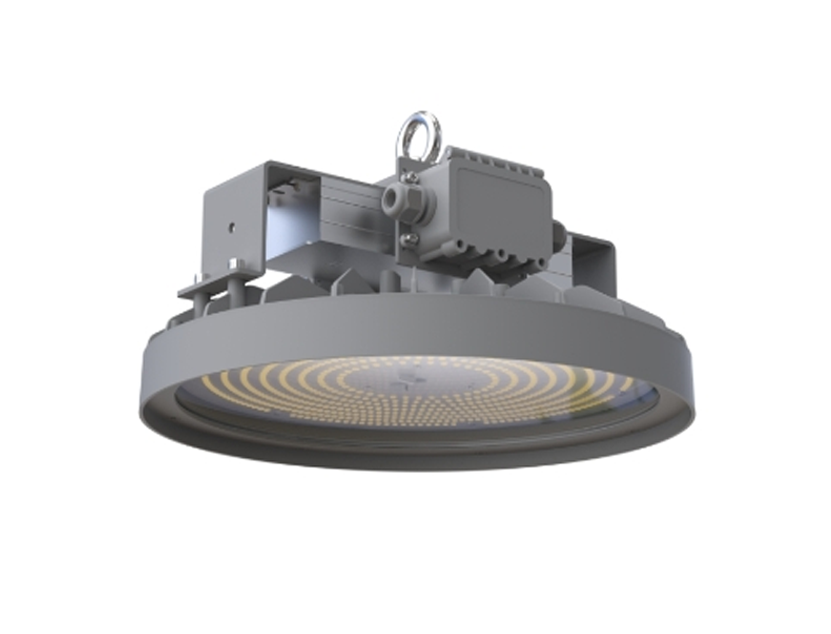
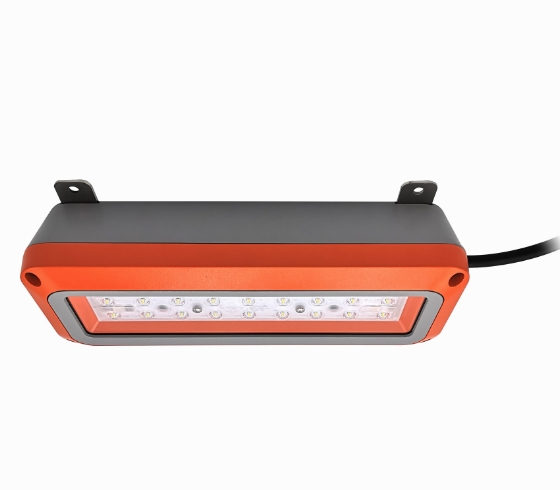
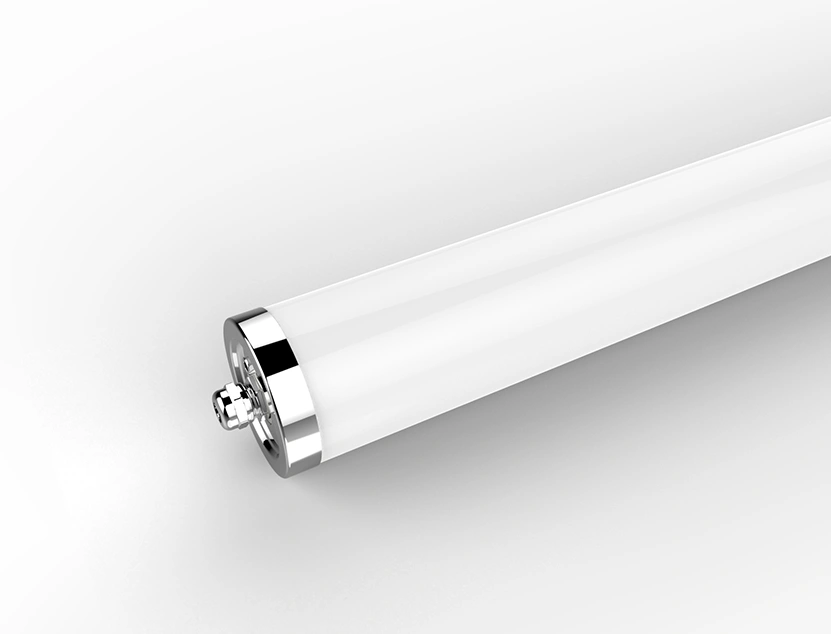
Solutions like the IP69K Food-Grade High Bay and the Primo Food-Safe Canopy Light are specifically engineered for hygiene-critical environments where corrosion resistance, thermal management and long-term durability are essential operational requirements.
Because in harsh industrial and food-grade environments, lighting failures rarely remain isolated maintenance issues for long. They evolve into operational problems, disrupting production, increasing servicing requirements, creating hygiene compliance risks and placing additional pressure on already demanding facilities.
Over time, the true cost of poorly engineered lighting is rarely measured by the fitting itself, but by the operational disruption that follows.
That is why IP ratings should never be viewed as a simple specification of detail buried within a datasheet. They are a direct reflection of how well a lighting system has been engineered to withstand the realities of harsh industrial operation.