


Location Port Botany, NSW
Industry: Public Infrastructure

Applications:
Off-grid pathway lighting, low-spill foreshore lighting, airport-adjacent illumination
Products Installed:
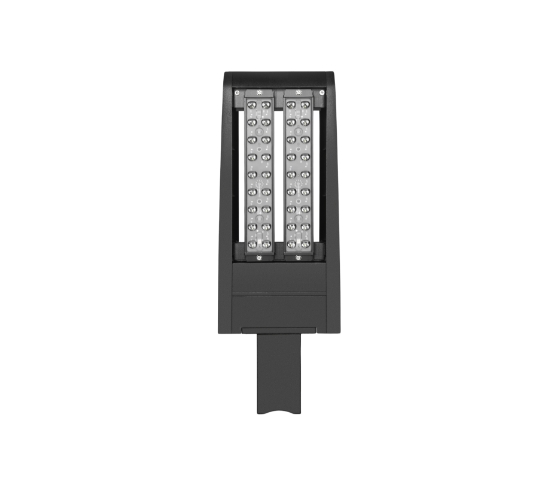
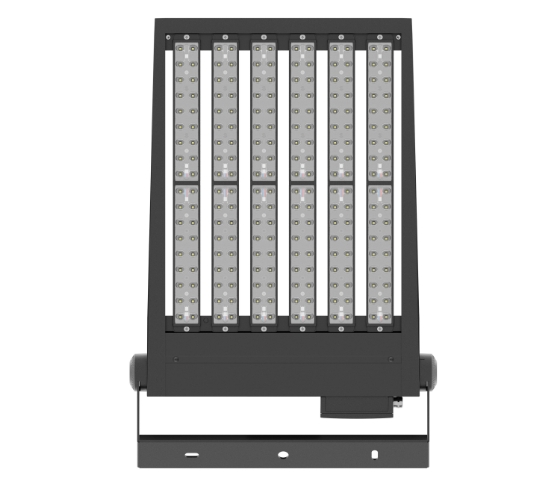
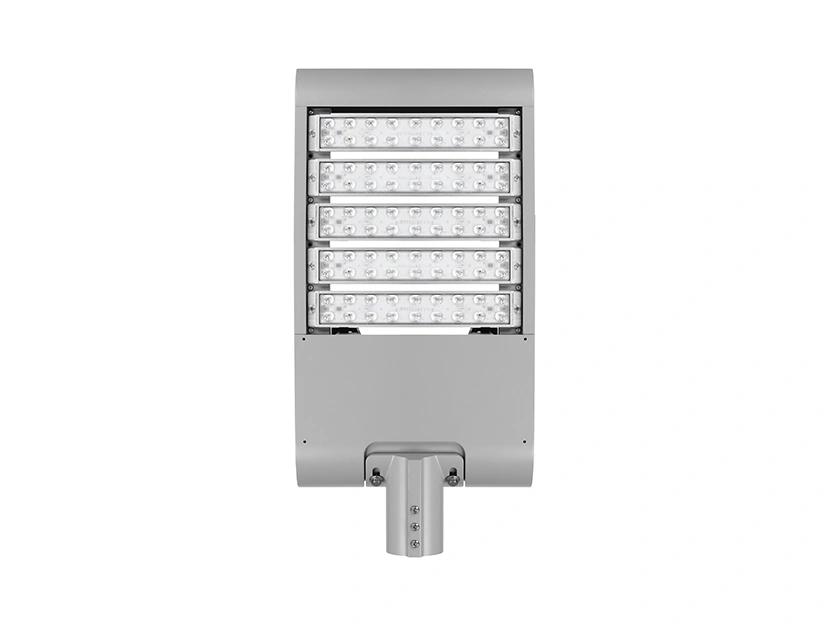
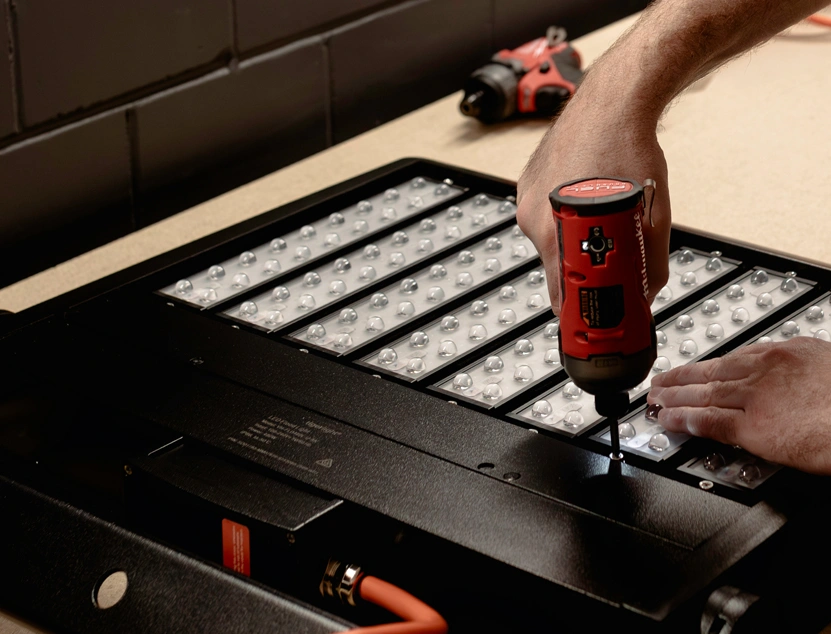
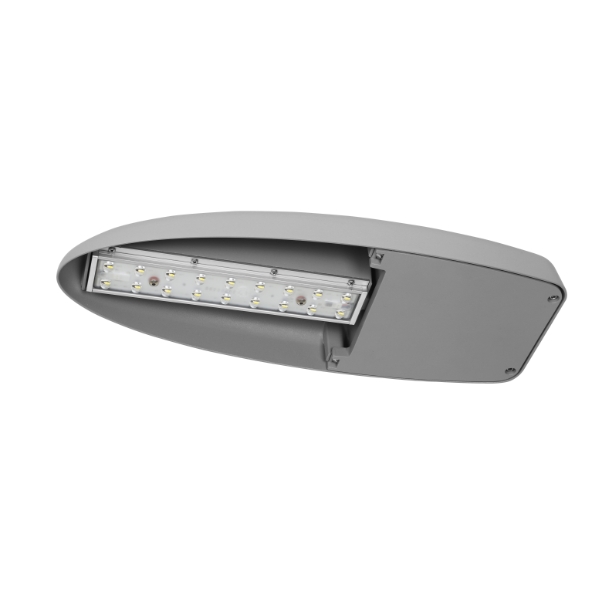
- Mako Area Lights (20 W)
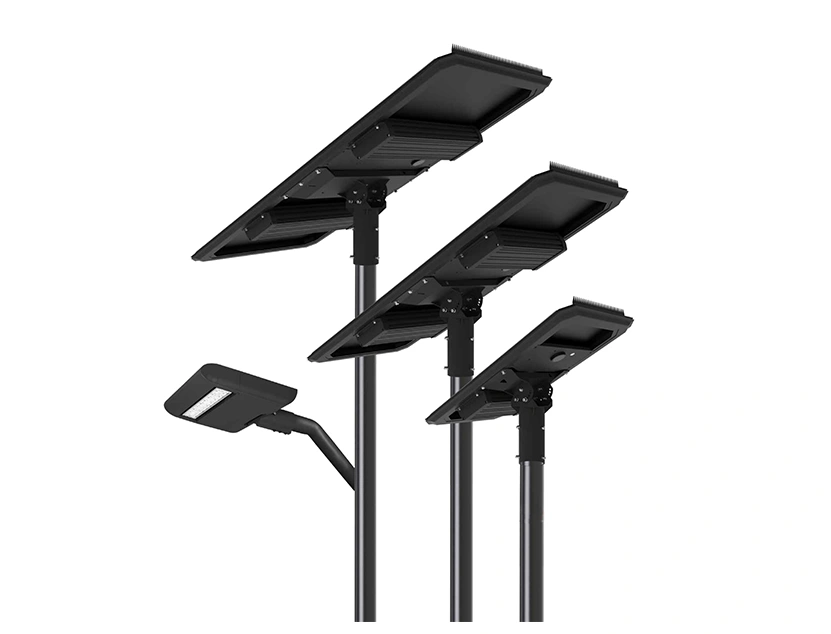
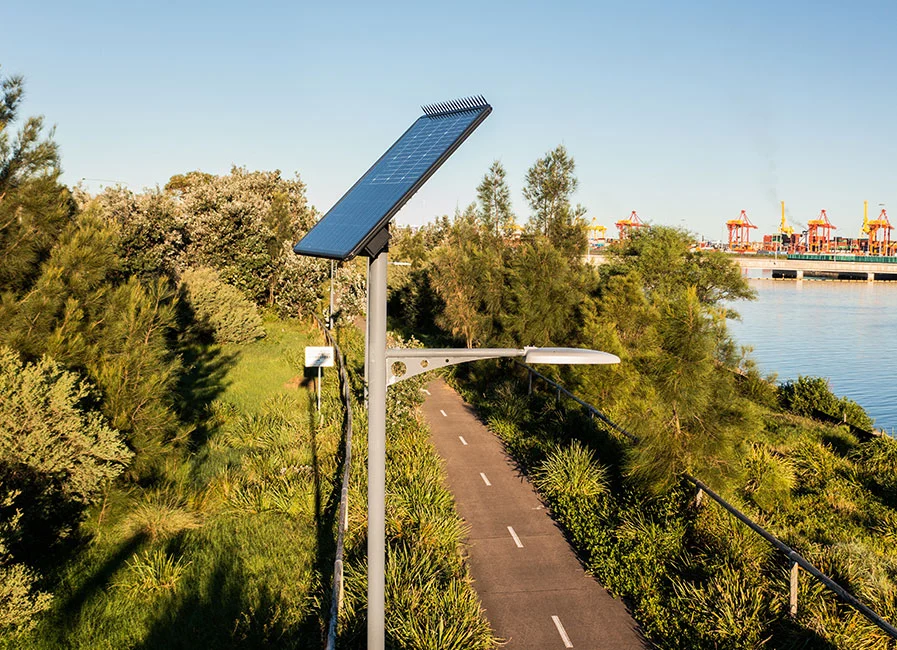
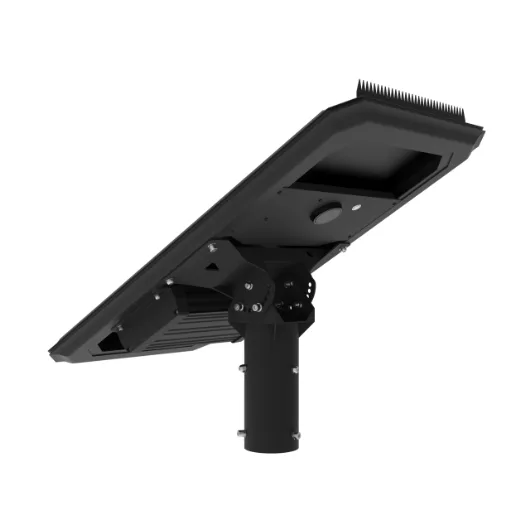
- Solar Engines (160 W / 130 Ah)
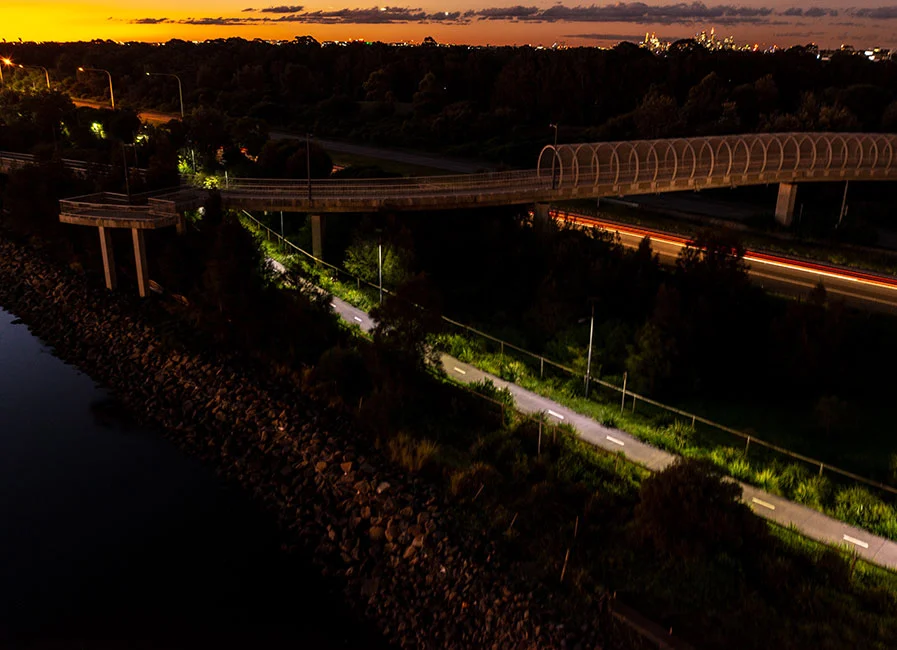
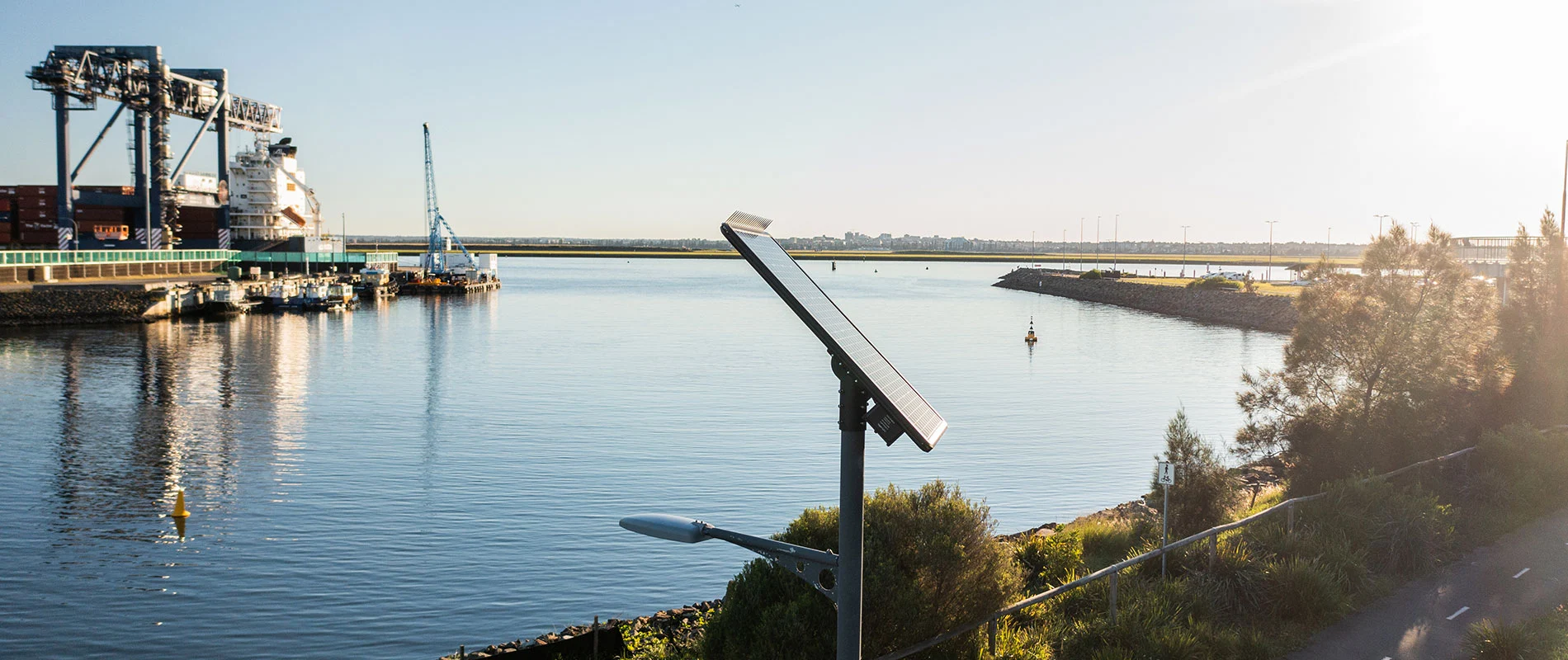
The NSW Port Authority manages the 2 km Port Botany Foreshore Path, a high-use pedestrian and cycleway bordering Botany Bay and directly adjacent to Sydney Airport.
Its previous solar lighting system had reached end-of-life and required a complete upgrade to improve light levels, enhance reliability and ensure stringent compliance with airport-sensitive obtrusive lighting standard.
Tigerlight delivered a high-performance, off-grid lighting upgrade using Mako Area Lights paired with new-generation Solar Engines. A total of 81 poles along the foreshore path were fitted with the new system, delivering reliable, uniform and compliant off-grid illumination.
Key Outcomes
- 81 fully off-grid solar lighting systems installed
- Full compliance with CASA MOS139 and AS1158.3.1:2020
- 4.5-day autonomy achieved using 160 W panels and 130 Ah batteries
- Excellent uniformity and visibility at 20 m pole spacing along a 2 km foreshore path

The Challenge
The site required a solar lighting solution that could:
- Meet CASA MOS139 Part 139 – Chapter 12 obtrusive lighting restrictions
- Comply with AS4282:2019 Obtrusive Lighting
- Deliver pathway lighting compliant with AS1158.3.1:2020 PP3
- Prevent upward light spill into aviation Zones A, B, C and D
- Improve light levels along the full 2 km path
- Increase battery autonomy and off-grid reliability
- Operate seamlessly on renewable solar power without mains electricity
Given the proximity to a major runway, zero upward waste light and strict optical control were essential.
Lighting Strategy
Tigerlight’s certified lighting engineers developed a strategy focused on precision optics, solar reliability and strict compliance. The design:
- Used Mako Area Lights programmed to 20 W for efficient pathway lighting
- Applied T2M optics to maximise reach and uniformity between poles
- Paired each luminaire with a 160 W bi-facial solar panel and 130 Ah battery
- Delivered 4.5 days autonomy for all-weather performance
- Ensured zero upward light intensity, passing all CASA MOS139 tests
- Achieved full compliance with AS4282 and AS1158.3.1 PP3
This strategy ensures safe, uniform, and low-spill lighting while maintaining off-grid resilience.
The Solution
Tigerlight upgraded all 81 existing poles with:
- Mako Area Lights (20 W programmed output)
- Corso Solar Engines (160 W panel / 130 Ah battery)
The solar engine’s programmable controller optimised lamp output for autonomy while maintaining required pathway light levels. The Mako’s T2M asymmetrical optical lens delivered precise downward distribution, resulting in zero upward waste light, essential for aviation-critical environments.
This combination produced excellent uniformity at 20 m spacing, reliable dusk-to-dawn operation, and improved visibility along the entire foreshore route.
Implementation
Installation utilised the existing 5.5 m poles, minimising civil works and disruption. Tigerlight conducted full compliance testing, which confirmed:
- 0.0 cd upward intensity in all CASA MOS139 zones
- Full compliance with AS4282 Obtrusive Lighting
- Pathway lighting meeting AS1158.3.1 PP3 requirements
The system now provides dependable, renewable, low-maintenance lighting year-round.
Products Used


Key Results
Performance Outcomes
- 81 off-grid solar lighting systems deployed
- 4.5-day battery autonomy from 160 W solar panels
- Excellent uniformity at 20 m pole spacing
- Safe, reliable foreshore lighting for pedestrians and cyclists
Lighting Improvements
- Zero upward waste light — full CASA MOS139 compliance
- Controlled illumination that met AS4282
- Pathway lighting compliant with AS1158.3.1:2020 PP3
- T2M optics provided wide, even illumination with no spill into sensitive aviation zones