



Published on: May 12, 2026
AS 4282 in Industrial Lighting: A Practical Guide to Light Control and Compliance
In industrial lighting design, output is only one part of the equation. Control is what defines performance.
Without engineered light distribution, high-output systems introduce spills, glare, and obtrusive light beyond the target area. In sectors such as mining, rail, and infrastructure, this directly impacts compliance, safety, and operational performance.
At the core of AS 4282 is a simple idea. Every project has a boundary, and what happens at that boundary determines whether lighting performs or fails.
Uncontrolled light does not stop where the site ends. It carries, reflects, and disrupts. In remote environments, that means the sky glow and ecological impact. Near communities, it leads to spills, complaints, and compliance issues.
This is why control is not something that can be added later. It has to be engineered from the beginning.
At Tigerlight, this is where every project starts. Not with output, but with how that output will be controlled.
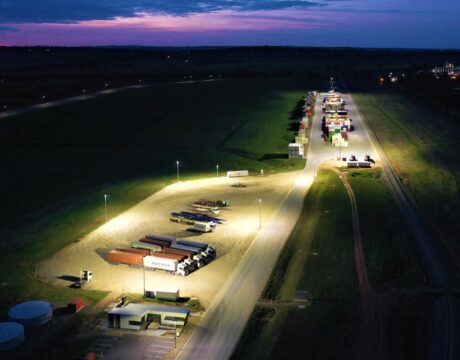
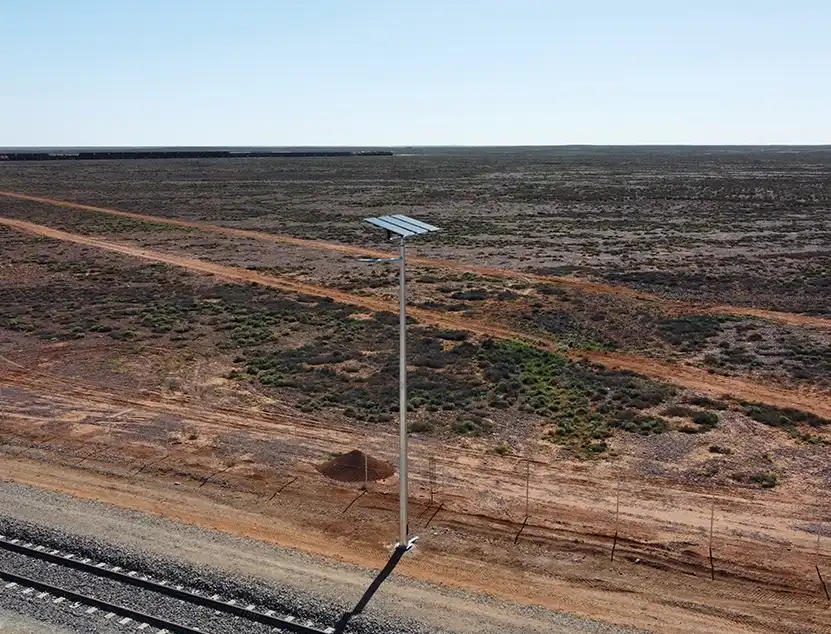
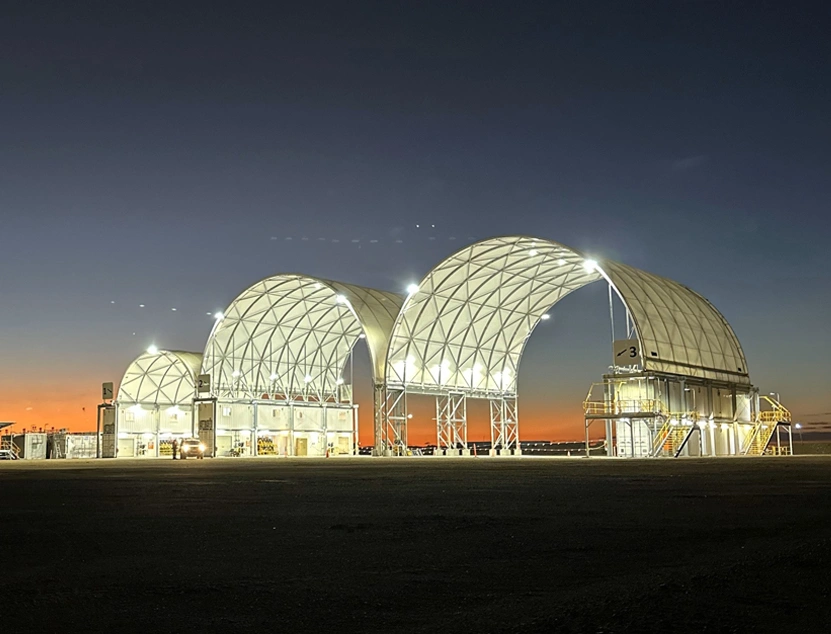
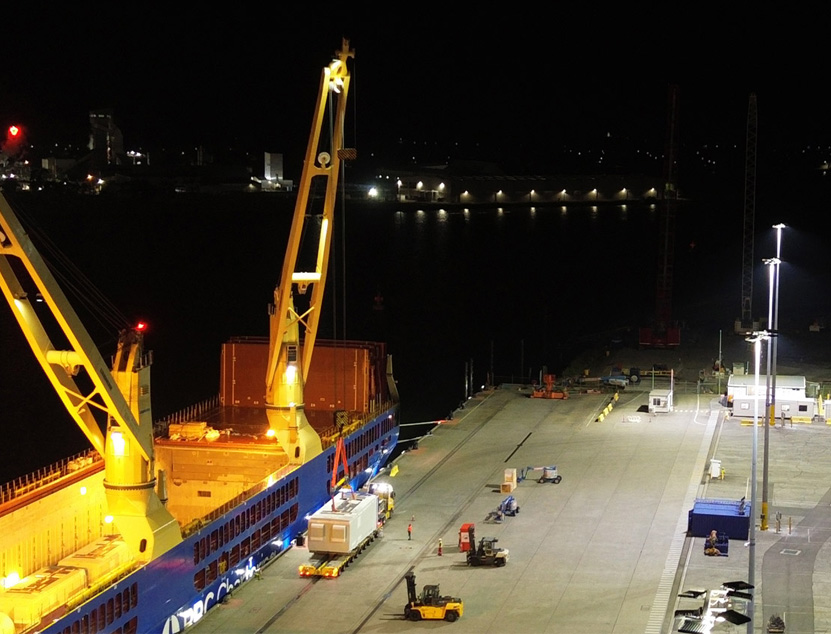
At the Aurizon Rail Hub in Pimba, for example, lighting was engineered to deliver visibility only where it was required. No upward light. No unnecessary spill. Just controlled illumination within the operational zone. The result is not less light, but better light. Light that performs without impacting its surroundings.
The same principle applies to visibility on site.
There is a common assumption that more light improves performance. In practice, uncontrolled light often does the opposite. Glare reduces contrast. Operators lose clarity. Critical detail becomes harder to read.
AS 4282 forces a shift in thinking. It is not about increasing output, but about controlling how that output is delivered.
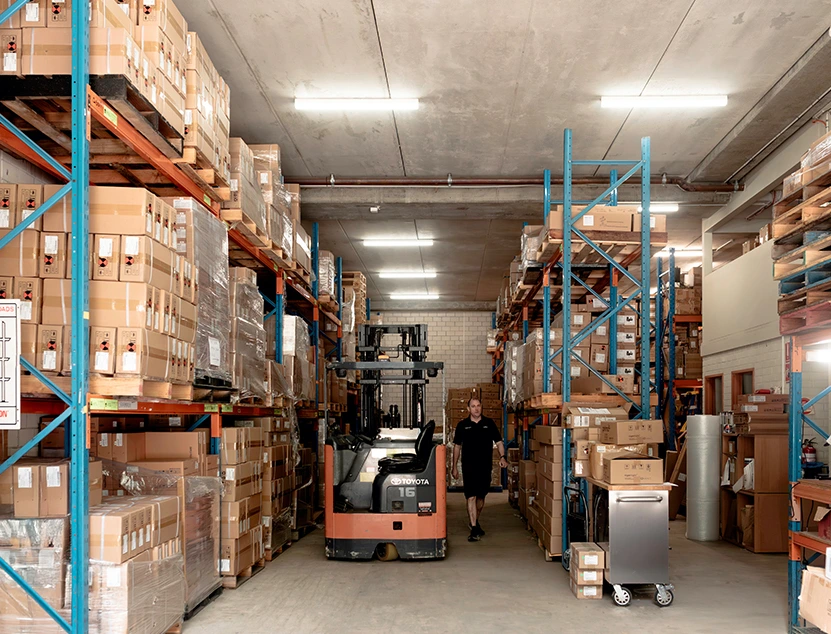
At Momentum Trains in Dubbo, a 25-hectare maintenance facility required consistent, high-quality illumination across a large operational area. The solution was not to simply increase output, but to engineer distribution. Light was delivered uniformly, glare was minimised and upward light was eliminated. The result is a lighting environment that supports operations instead of interfering with them.
When lighting is not designed with this level of control, the impact is not theoretical. It has become a project issue.
We have been brought in to rectify non-compliant lighting in many projects over the years, to redesign solutions that were problematic in terms of obtrusive lighting, which led to delays in final approvals and increased costs to correct installations. These are not isolated cases. They are the result of treating compliance as a final check instead of a design requirement.
AS 4282 does not sit at the end of the process. It defines the process.
Every lighting system delivers lumens. Not every system uses them effectively. Light that falls outside the task area is wasted. Light that creates glare reduces performance. Light directed upward serves no operational purpose.
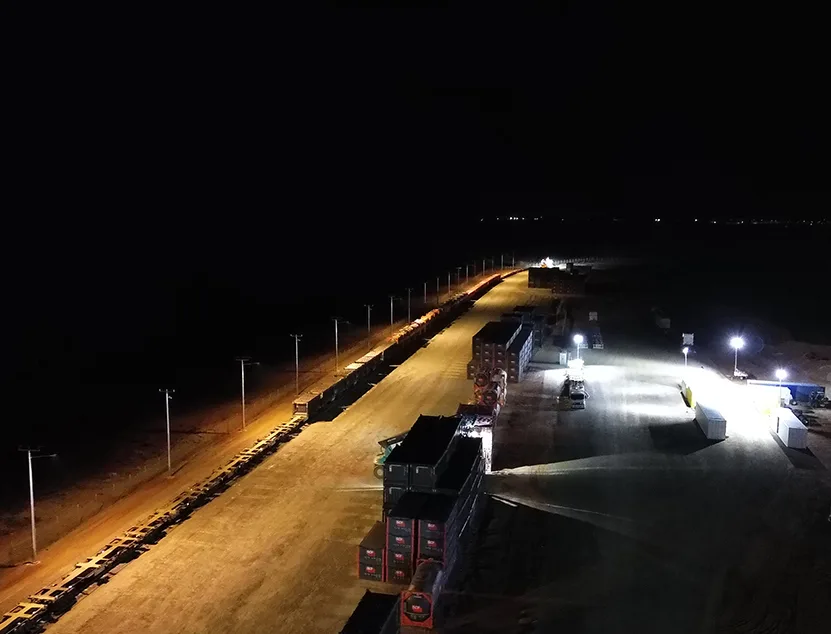
At BHP’s Rail Precinct in Port Hedland, the objective was to significantly increase illumination across a large rail corridor. The challenge was not achieving output. It was controlling it. Through precision optical design, illumination increased from 10 lux to 30 lux while maintaining strict control over distribution and limiting spill beyond operational boundaries.
Achieving this level of performance is not a matter of adjustment after installation. It is engineered into the system.
The way light leaves a luminaire defines everything that follows. Optical control, including asymmetric distributions and backlight management, determines whether light remains within its intended area or spills beyond it.
But product alone is not enough. Mounting height, tilt and orientation all shape how light behaves in the field. A small change in angle can push light beyond a boundary or introduce glare where it was not expected. This is why lighting must be approached as a complete system, not just product selection.
Before installation, every design must be validated. Photometric modelling confirms that light levels meet operational requirements, that spill is controlled at boundaries, and that glare is minimised. Compliance is not assumed. It is proven.
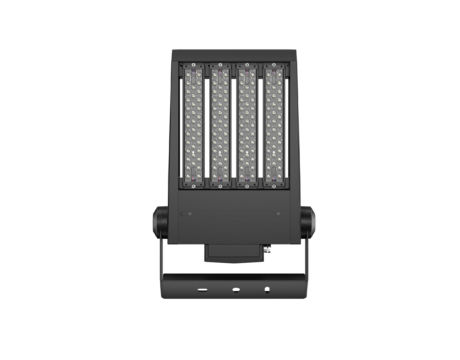
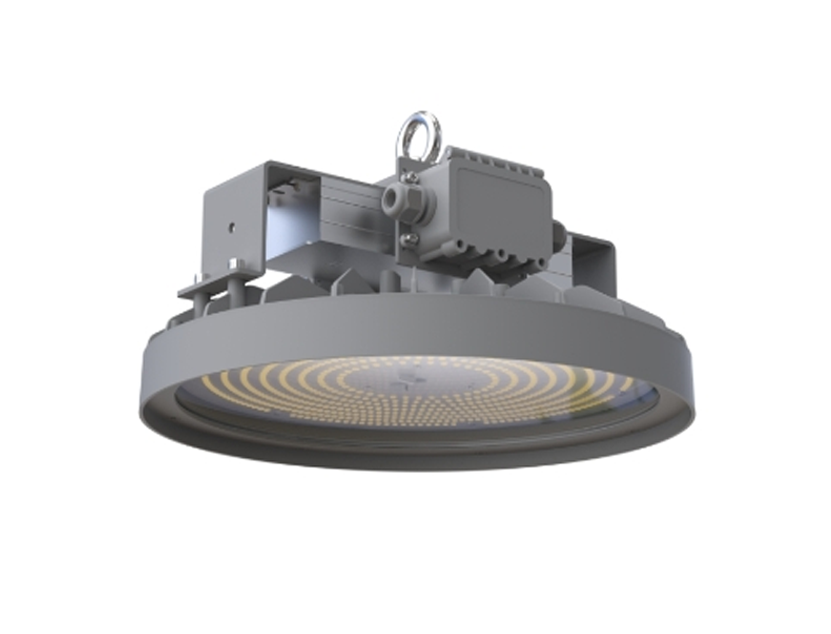
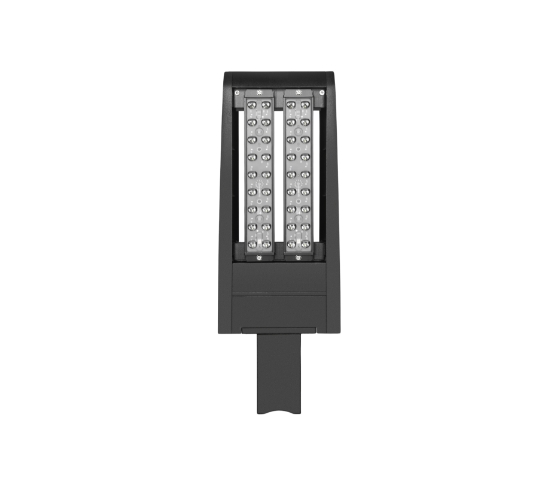
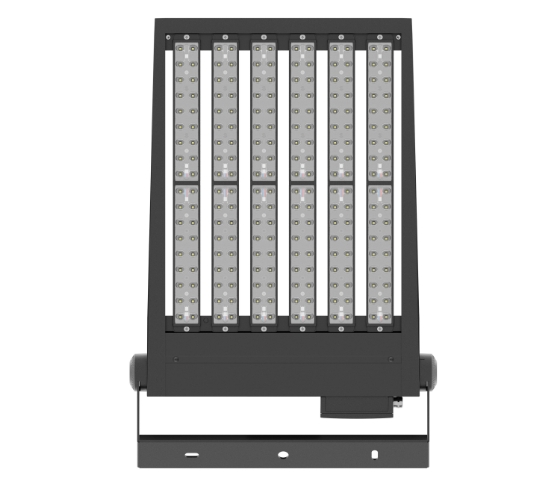
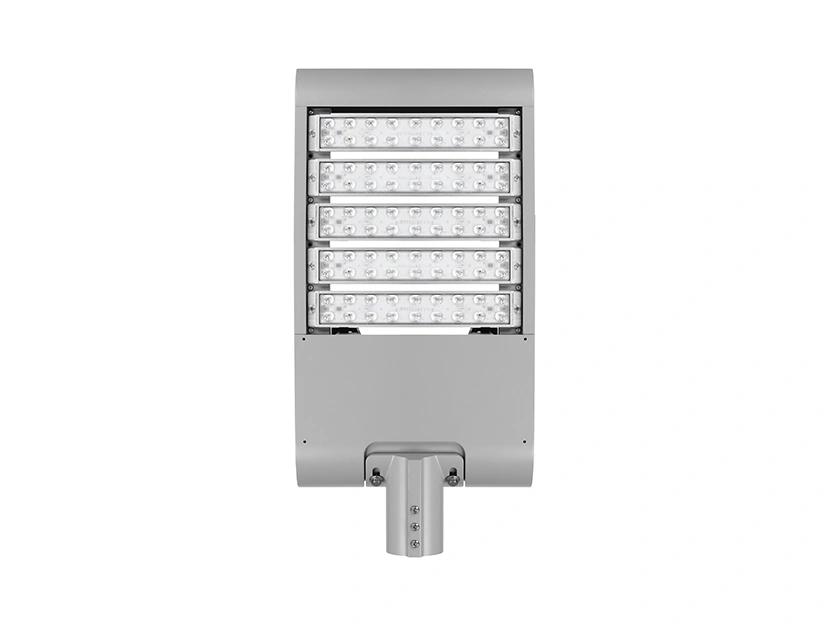
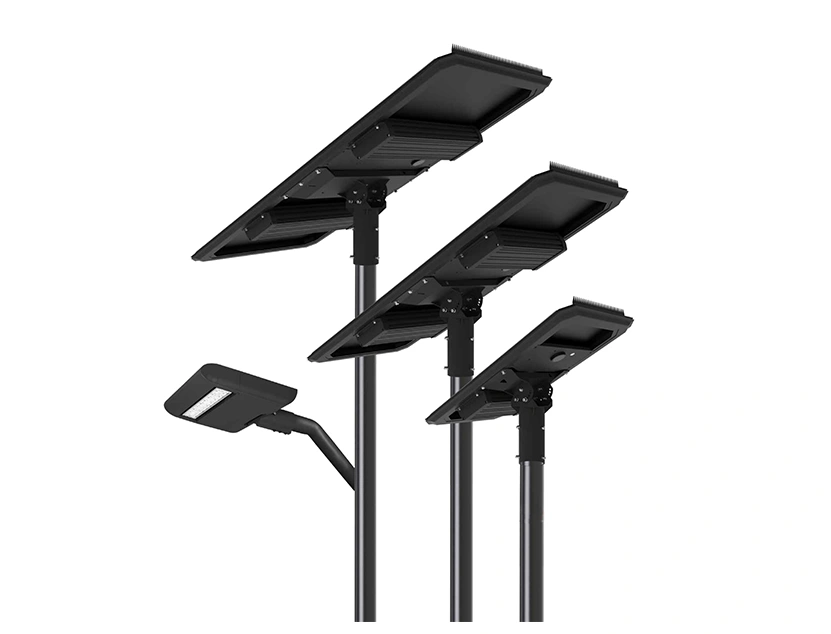
High-performance environments require systems that combine output with precision. Floodlighting designed for high mast applications must deliver long throw distances while maintaining beam control. Area lighting must provide targeted distribution across pathways and boundaries without introducing glare. Even in off-grid environments, solar systems must be engineered to operate with the same level of control as grid-connected installations.
AS 4282 is often seen as a constraint. In practice, it does the opposite.
It drives a better design. It improves efficiency. It ensures lighting performs exactly as intended.
At Tigerlight, we design this standard from the outset because it aligns with how lighting should be engineered. Not just to illuminate, but to perform with precision in real-world conditions.
Industrial lighting must do more than deliver light. It must deliver it exactly where it is needed, eliminate it where it is not, and perform consistently over time.AS 4282 ensures balance. Not as a guideline, but as a reflection of how lighting should operate in high-performance environments.
Because in the field, control is not optional.
It is engineered.